
Ins and Outs: 2016 - 2026
- Megan F
- Jan 21
- 5 min read

From teens to twenties: A decade-long review on mental health and healing from an IFS lens

Facebook recently shared a memory with me from New Year’s 2016. To the average viewer, I look happy. Front and center with my "demon eyes" shining through (flash photography has never been my friend), you'd never guess what I was actually going through that night. I'm smiling, encased in the arms of one of my closest friends and surrounded by other wonderful people, smiling and laughing. But on the inside, it felt like my world was falling apart. For a long time, when I looked at this picture, that was all I saw: how broken I was.
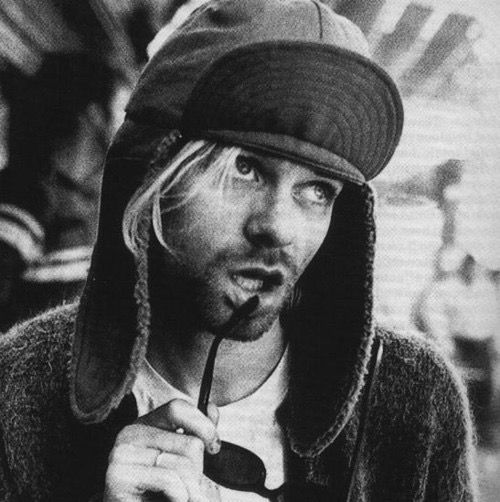
2015 was a mentally exhausting year. There were many ups and downs that my sixteen-year-old brain didn't know how to handle. I had been hurt, but I’d also caused hurt, which sat even worse with me. I was ashamed and depressed, longing for connection, but continually feeling disconnected from the world. For a long time, that was my story and the way I viewed myself: a sixteen-year-old girl with bandages on her arm, hiding behind a smile in a world that made her feel misunderstood and unworthy of love.
As the countdown began, she hid in the bathroom with tears streaming down her face, wondering how she could survive another year. She was so convinced she was beyond repair that she believed she’d “burn out” by age 27 like the musicians she adored.

Now, standing at the threshold of that 27th year, I’ve realized it is not better to burn out than to fade away. Turns out, I much prefer the latter. But it took a decade of healing to realize that. It was only recently that I came to understand there wasn’t something “wrong” with me that needed to be “fixed.” My emotions were understandable given what I had been through.
I’ve always loved the trend of “Ins and Outs” following the New Year, so in the spirit of this tradition, I created a version looking at the past decade. What is "Out" aren't the parts of me themselves, but the burdens they carried and what they had to do to survive.
1. The Relationship with my Body
From viewing my body as an enemy to be controlled to my partner-in-crime, requiring gentle, self-led care.

2016 (Out): Survival via Silence. Ignoring my physical and emotional needs; caring more about appearance than how I physically felt; using medications to mask a system in distress.

2026 (In): Self-Led Advocacy. Listening to my body as a messenger; prioritizing health over aesthetics; asking for second opinions and seeking root causes; allowing my body to rest (and if shame/criticism come up, meeting them with compassion instead of believing them and beating myself up).
2. The Relationship with my Mind and Emotions
From believing there was something “wrong” with me or that I was “beyond repair,” to giving my emotions the validation they never received.

2016 (Out): Destructive Coping. Relying on substances, sleep, and self-harm to escape emotional pain; chasing dopamine to drown out the internal noise; believing the stories my Inner Critic told (e.g., “You’re alone, dumb, unimportant”).

2026 (In): Curious Exploration. Meeting the urge to numb or shut down with curiosity instead of shame; using creativity to reconnect with old versions of myself; trusting my emotions instead of fearing them or trying to control them.
3. The Relationship with Others
From fears of rejection unleashing protective parts of me (the People-Pleaser, the Perfectionist, the Defensiveness), to meeting those protectors with compassion so I can truly understand.

2016 (Out): Basing Self-Worth on External Validation. Codependency, hyper-independence, and overresponsibility; accepting criticism as if it were my only truth; obsessing over emotionally unavailable people and creating fantasies that they’d “pick me” in the end; falling into despair when they didn't.

2026 (In): Authenticity & Connection. Understanding myself first; speaking up when I am hurt; setting boundaries that honor my capacity; relishing in relationships where I can be the real me; appreciating the parts of me that over-function in relationships out of fear that connection inevitably means hurt.
4. My Views on Happiness and Life
From self-hatred and hopelessness to self-discovery and appreciation for all the different parts of me—even the ones that can be the toughest to love.

2016 (Out): Catastrophizing & Foreboding Joy. Falling into depression and believing I was destined to remain there for all of eternity; restricted access to happiness with the potential of it being taken away at any moment; waiting for that moment (i.e., "the next shoe to drop") like my life depended on it.

2026 (In): Gratitude for Glimmers of Safety & Joy. Recognizing happiness in simple things: music, a fresh layer of snow on a quiet winter night, watching a sunset, and the dog that never leaves my side.
5. How I Connect with all my Parts
From listening to only sad or angry music to playlists filled with different genres and moods.

2016 (Out): Playing the Same Sad Song on Repeat. Becoming consumed by my deepest wounds; listening to depressing music on repeat that reinforced negative beliefs about myself, others, and the world.

2026 (In): Adding a Variety of Songs into the Mix. Using music to take care of the different parts of me and their wounds; healing in the one way I’ve always known how: Songwriting and guitar.
Final Review

When I look at that photo now, I don’t just see the "happy" girl or the girl with bandages. I see the People-Pleaser, who protected me when I didn’t know how to handle rejection. I see the Hopelessness that protected me from being hurt again.
I love and appreciate these parts of me. They’re not gone—they are simply transformed. They show up in different ways and for different reasons now, like when I have a chronic illness flare or I’m in a new setting with unfamiliar people. I recognize them and appreciate them for showing up—but they don't have to work so hard anymore. I am learning how to be in the driver’s seat, guiding and protecting them now.
As I sit here writing this, on the brink of twenty-seven, I feel an overwhelming sense of gratitude that I get to keep going. I often find myself thinking about the musicians I looked up to—the ones who never made it past this year. It pains me to think about them at this age, consumed by hopelessness and unable to see a way out. The world only saw one side of them, and they were defined by that. They were trapped by the confines of their own darkest demons. Except they weren’t demons—they were diamonds in the rough, waiting to be understood so they could finally shine. And maybe if they had been able to see that—to see they were more than those dark parts—they’d still be here.
I’ve realized that the way out isn't through fighting against our "bad" parts or trying to "fix" what we think is broken. It’s through accepting every part of ourselves—even the complex, messy, and dark ones.

"Someone I loved once gave me a box full of darkness. It took me years to understand that this, too, was a gift." — Mary Oliver
To sixteen-year-old me: You made it to 27. You aren’t "fixed," because you were never broken. You were just waiting for someone to show you the way out.


Comments